How to Repair Bleached Hair: Home Care vs. Professional Bond Repair
Quick Answer: Bleaching is the most chemically aggressive process you can apply to hair because it permanently breaks the disulfide bonds that hold the cortex protein matrix together and dissolves the melanin pigment that gives hair its color. Repairing bleached hair requires rebuilding the cortex with hydrolyzed proteins, sealing the cuticle to prevent ongoing moisture loss, and following a consistent weekly deep conditioning routine. Home care can deliver significant recovery for mildly to moderately damaged bleached hair. Severely compromised hair benefits from professional bond repair as the foundation, with home care maintaining those results between sessions.
What Bleaching Actually Does to Your Hair Structure
To repair bleached hair effectively, understanding the damage at a structural level determines which treatments will actually work and which will only address surface appearance without reaching the cortex where the real damage lives.
Hair bleach is an alkaline formula, typically at pH 9 to 11, combined with hydrogen peroxide as the developer. When applied to the hair shaft, the alkaline agent forces the cuticle open aggressively, allowing the hydrogen peroxide to enter the cortex. Inside the cortex, the peroxide oxidizes the melanin pigment molecules to dissolve color, but it simultaneously oxidizes the cysteine amino acids that form the disulfide bonds holding the keratin protein matrix together. These bonds, once broken by oxidation, cannot reform naturally. The result is a cortex that has lost a significant portion of its structural protein, reduced elasticity, increased porosity, and a cuticle that no longer lies flat because the alkaline chemistry has permanently disrupted its overlapping scale structure.
The visible consequences of this internal damage are hair that stretches and snaps rather than flexing and returning, extreme dryness because the open cuticle cannot retain moisture, frizz caused by the rough open cuticle surface, and rapid color fading because the porous cortex cannot hold pigment molecules for long. In cities like Gojra and Hafizabad where salon bleaching is increasingly common for fashion color trends and water quality is already hard, the starting condition of the hair before bleaching is often already compromised, making post-bleach damage more severe.

Home Care for Bleached Hair: What Actually Works
Home care for bleached hair is effective when it is built around three specific actions applied in a consistent sequence: protein replenishment to rebuild the depleted cortex, moisture layering to hydrate a cortex that can no longer retain water on its own, and cuticle sealing to create a protective barrier over the damaged cuticle scales that reduces ongoing moisture loss and mechanical friction.
The biggest mistake people make with bleached hair home care is applying moisture without protein. Bleached hair has lost cortex protein through oxidative degradation. Applying conditioner and masks that contain only moisturizing ingredients without protein replenishment addresses the symptom of dryness without rebuilding the structural foundation that the hair needs to stop breaking. The result is hair that feels temporarily softer but continues snapping because the cortex integrity has not been restored.
The second most common mistake is applying protein without balancing moisture. Protein-only treatments on bleached hair cause protein overload, where the hair becomes stiff, brittle, and paradoxically more prone to breakage because there is no moisture flexibility in the cortex to absorb mechanical stress. The correct approach is alternating protein treatment with deep moisture conditioning in a structured weekly routine.
The Weekly Deep Conditioning Routine for Bleached Hair Recovery
A structured weekly routine built around the correct sequence of protein and moisture treatment is what produces cumulative cortex recovery in bleached hair over weeks and months of consistent application.
Day One to Two: Protein Treatment Wash. Wash with a gentle, sulfate-free shampoo that does not strip the already-depleted cuticle further. Apply a protein-rich deep conditioning treatment from mid-lengths to ends, focusing on the most bleached sections which are typically the oldest, most damaged portions of the hair shaft. Leave the treatment on for 20 to 30 minutes under a shower cap, which allows body heat to help the hydrolyzed protein molecules penetrate the swollen, open cuticle of bleached hair more effectively. Rinse with cool water to encourage the cuticle to close partially over the deposited protein.
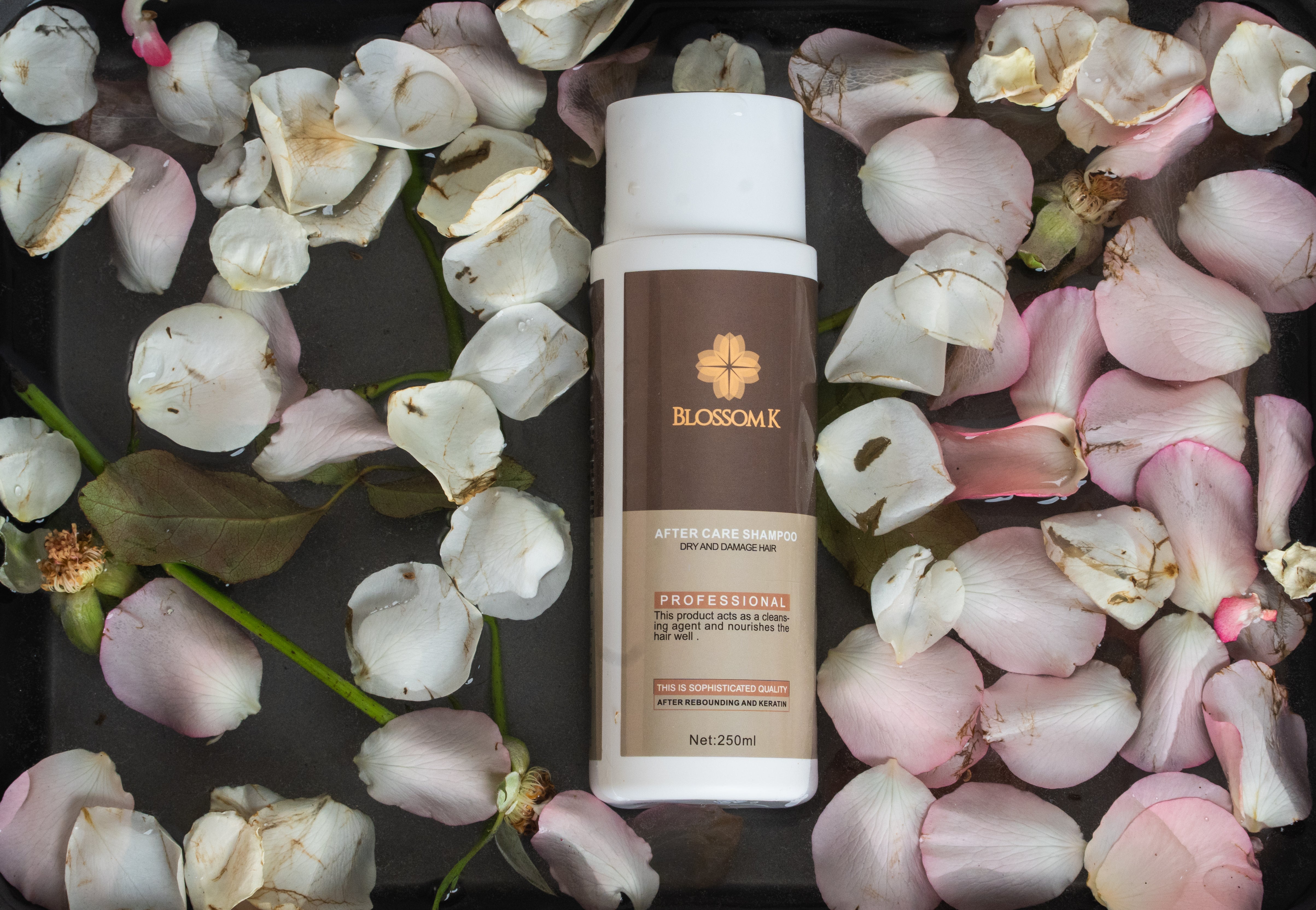
The Blossom K Keratin Essence Hair Repair Mask is formulated specifically for chemically damaged hair of the type that bleaching produces. Its keratin complex delivers hydrolyzed keratin proteins at a molecular weight calibrated to penetrate the open, high-porosity cuticle of bleached hair and integrate into the depleted cortex protein matrix. Applied weekly as the protein treatment step of this routine, it progressively rebuilds the structural protein that bleaching oxidized away, improving tensile strength, reducing breakage, and restoring the elasticity that allows bleached hair to flex rather than snap under mechanical stress.
Day Four to Five: Deep Moisture Conditioning. Mid-week, apply a moisture-focused deep conditioner without protein. This balances the protein deposited earlier in the week with the hydration that prevents stiffness and maintains cortex flexibility. Apply from roots to ends, leave for 15 minutes, and rinse with cool water. Follow immediately with a lightweight leave-in conditioner on damp hair to lock the moisture layer in place as the hair dries.
Cuticle Sealing: The Step That Locks Recovery In
Protein and moisture treatments rebuild the interior of the hair shaft. Cuticle sealing is what protects that interior from losing what was just deposited before the next treatment session. Without a cuticle-sealing step after every wash, the high porosity of bleached hair allows moisture and protein to escape almost as quickly as they are applied, significantly reducing the cumulative recovery effect of the weekly routine.
Cuticle sealing works through two mechanisms. The first is pH restoration. The alkaline chemistry of bleaching raises the hair's pH significantly. A cool water final rinse and an acidic leave-in product or rinse with a pH around 4.5 to 5.5 help the disrupted cuticle scales lie flatter, partially closing the open cuticle surface. The second mechanism is physical film formation. A lightweight serum applied to damp hair after washing creates a protective film over the cuticle surface that reduces moisture evaporation, decreases friction between strands, and physically smooths the roughened cuticle texture that makes bleached hair feel coarse and look dull.
In Haroonabad and surrounding areas of southern Punjab where dry seasonal air compounds the moisture loss that bleached hair's open cuticle already struggles with, the cuticle sealing step is particularly critical for maintaining the hydration level that prevents brittle snapping between weekly treatment sessions.
Professional Bond Repair vs. Home Care: When to Choose Which
Professional bond repair treatments, of which Olaplex is the most recognized system globally, work by a different mechanism than protein treatments. Bond repair ingredients like bis-aminopropyl diglycol dimaleate seek out and reconnect broken disulfide bonds in the hair cortex — the same bonds that bleach oxidizes and breaks during the lightening process. This is a genuinely restorative mechanism that home protein treatments cannot replicate because protein treatments fill the cortex gaps without actually reconnecting the broken bond structure.
For mildly bleached hair, or hair that was in good condition before bleaching, a consistent home care routine built around weekly keratin protein treatment, moisture conditioning, and cuticle sealing produces meaningful recovery over six to eight weeks. For severely bleached hair, hair that has been bleached multiple times, or hair showing extreme elasticity loss where it stretches significantly before breaking, professional bond repair is the more appropriate starting intervention. It rebuilds the disulfide bond structure that home treatments cannot reach, creating a foundation that subsequent home care can then maintain and build upon.
The practical approach for most people is to begin with a professional bond repair treatment at a salon as the initial recovery intervention, then maintain and continue that recovery with a structured home care routine using the correct protein mask and conditioning sequence consistently between salon sessions.
Explore the complete BlossomK hair care collection for a full range of professional-grade home care products designed to support chemical damage recovery in Pakistani hair.
Your Complete Bleached Hair Recovery Plan
A complete bleached hair recovery plan combines the right home care routine with realistic timeline expectations. Bleach damage is permanent at the bond level, which means the goal is not restoring the original hair but rather rebuilding enough cortex integrity and cuticle protection in the existing hair to stop breakage, restore manageability, and grow out healthy new hair from the root while the damaged lengths recover.
In the first four weeks, focus exclusively on the protein and moisture alternating weekly routine. Avoid all heat styling during this period. Heat applied to already-compromised bleached hair accelerates cuticle damage and cortex protein degradation at a rate that counteracts any recovery the treatment routine is achieving. If heat is unavoidable, apply a heat protectant spray at every use without exception.
From weeks four through twelve, the hair should show measurable improvement in elasticity and a reduction in breakage frequency. This is when minimal heat styling can be reintroduced with full heat protection. Continue the weekly routine without interruption. Trim the ends every six to eight weeks to remove the most severely damaged portions as the healthier new growth comes in from the root.
According to the American Academy of Dermatology, repeated bleaching without adequate recovery time between sessions is the primary cause of severe irreversible hair breakage, and spacing bleaching sessions by a minimum of eight weeks with consistent conditioning treatment between sessions is the most effective way to maintain hair integrity in people who bleach regularly.
For products that complete the moisture and leave-in steps of this recovery routine alongside the keratin mask, explore the BlossomK new arrivals for the latest additions to the hair care range.
Frequently Asked Questions
How long does it take to repair bleached hair at home?
Mild to moderate bleach damage shows visible improvement in elasticity and reduced breakage after four to six weeks of consistent weekly protein and moisture treatment. Significant cortex recovery that restores manageable texture and substantially reduces breakage takes eight to twelve weeks of uninterrupted routine application.
Can a keratin mask repair bleached hair?
A keratin mask delivers hydrolyzed keratin proteins into the depleted cortex of bleached hair, rebuilding structural protein that bleach oxidized away. It does not reconnect broken disulfide bonds the way professional bond repair treatments do, but it significantly improves tensile strength, reduces breakage, and restores elasticity with consistent weekly use.
Is it better to use protein or moisture treatment on bleached hair?
Both are necessary and neither works optimally without the other. Protein rebuilds the depleted cortex structure. Moisture provides the flexibility that prevents protein-treated hair from becoming brittle. The correct approach is alternating protein treatment and moisture conditioning in a structured weekly routine rather than using only one type consistently.
How do I know if my bleached hair needs protein or moisture?
Bleached hair that stretches significantly before breaking needs protein. Bleached hair that snaps immediately with no stretch before breaking needs moisture. Bleached hair that is both dry and breaking with minimal elasticity needs protein first, followed by moisture conditioning to balance the treatment.
Can bleached hair fully recover without cutting it off?
The existing bleached hair cannot be restored to its pre-bleach structural state because the disulfide bond damage is permanent at a chemical level. However, consistent protein treatment, moisture conditioning, and cuticle sealing significantly improve its manageability, reduce ongoing breakage, and allow it to grow out with progressively healthier new growth replacing the damaged lengths over time.
Recovery Is Possible with the Right Routine Applied Consistently
Bleached hair recovery is not about finding a single miracle product. It is about understanding the specific damage bleach causes at the cortex and cuticle level and applying the correct combination of protein replenishment, moisture balance, and cuticle protection consistently over enough weeks for the hair's biological recovery process to produce visible results. The routine works. The timeline is real. The consistency is what determines the outcome.